

Hair transplant in Istanbul, planned with you
Hair restoration is judged in months, not in the first week. This guide explains FUE and DHI in ordinary language, why a graft number is a planning idea rather than a product, and how a hairline plan differs from work on the crown.
Estefulya Global helps you describe the zones that bother you, introduces you to an independent specialist, and stays with you through travel and the growth months after you fly home. Technique and placement sit with that doctor. Beard and eyebrow work appear later as related options.
Each option below is a different starting point. Read the one that feels closest, then write to us. We help you decide, match the right doctor and facility, and stay with you through the process.
FUE
Follicular unit extraction
People who want a larger area covered, such as the crown or a receding hairline, and want grafts taken one by one.
DHI
Direct hair implantation
People focused on a detailed hairline, temples, or smaller zones where angle and placement matter a lot.
Beard
Beard transplant
Men who want more density in the cheeks, jawline, or moustache, or who want to fill patchy areas.
Eyebrow
Eyebrow restoration
People with thin, overplucked, or scarred brows who want a fuller shape, not a drawn-on look.
Hair transplant technique
FUE
Follicular unit extraction
FUE means each graft is removed from the donor area as a small unit, then placed where you want density. It is a technique, not a separate clinic product.
Who this is for
People who want a larger area covered, such as the crown or a receding hairline, and want grafts taken one by one.
If you have heard of hair transplant, FUE is the method most people mean. A partner specialist takes follicular units from the back or sides of the scalp, where hair is usually more stable, and moves them to thinner areas. You do not buy a graft number from a menu. The useful question is which zones matter to you and how much donor hair you can spare.
FUE often suits wider coverage. Healing in the donor area is usually a field of tiny points rather than a long strip scar. Early redness and scabs are normal. Shock loss, when some existing hairs shed for a while, can happen. New growth is typically judged over 6 to 14 months, not in the first weeks.
Independent specialists perform FUE. We help you describe the area, share scalp photos for a personalised preliminary assessment, introduce a partner specialist, and plan travel and follow-up. The specialist decides whether FUE fits after an in-person look at density and donor supply.
01
Donor area
Hair is usually taken from the back or sides, where it is more stable.
02
One-by-one extraction
Each graft is a small unit, not a strip. You do not buy a graft count from a menu.
03
Placement
The partner specialist places grafts where you want density after an in-person look.
Weeks 1-3
Scabs, redness, and possible shock loss
Month 3-6
Early growth starts to show
Month 6-14
The window used to judge the result

Hair transplant technique
DHI
Direct hair implantation
DHI uses an implanter tool so a graft can be placed in one motion. It is another way to put hair in, still under the hair-transplant family.
Who this is for
People focused on a detailed hairline, temples, or smaller zones where angle and placement matter a lot.
DHI is not a magic upgrade over FUE. In plain language, the graft is loaded into a pen-like implanter and placed at a chosen angle. Some partner teams use it for the front hairline, where direction has to look like your own hair. Others mix FUE extraction with DHI placement.
It can be a good conversation when you care most about a natural hairline rather than filling a wide crown. It is a weaker fit if you need a large area and donor hair is limited. A remote photo cannot lock the method. That choice belongs to the partner specialist after they see the scalp.
We coordinate the same way as any hair journey: goals, photos, a preliminary assessment, dates, hotel, transfers and later growth check-ins. Technique is a clinical choice. If you already prefer DHI, say why, so the specialist can agree or explain a better mix.
01
Load the graft
A graft is placed into an implanter, not dropped into an open hole first.
02
Set the angle
The partner specialist chooses direction so the hairline looks like your own hair.
03
Place in one motion
Insertion and positioning happen together. That is the whole DHI idea.
Often FUE
Wider coverage, crown, larger zones.
Often DHI
Hairline, temples, angle and detail.
Related hair path
Beard
Beard transplant
Beard work still uses grafts, usually from the scalp donor area. It is a related path, not a different company service.
Men who want more density in the cheeks, jawline, or moustache, or who want to fill patchy areas.
A beard transplant moves grafts to the face so patchy zones look fuller. The donor hair is often from the back of the scalp, so the specialist has to think about both your face and your future hairline. Taking too much donor hair for a beard can limit a later scalp plan.
Facial skin heals in public. You should expect a period when the area looks dotted or scabbed. Shaving and sport come back on a schedule the partner team sets. Photos that help a preliminary review are a clean, even-light face from the front and both sides, with no filter.
Tell us if you also want scalp work. We would rather plan one honest journey than book two competing donor uses. Partner specialists perform the placement. We handle matching, travel, and follow-up questions after you fly home.
Donor ledger
Scalp hair is shared
Taking too much for a beard can limit a later hairline plan. Say both goals in the first message.
- Donor hair is usually from the scalp
- Say if you also want a hairline plan later
- Face photos from front and both sides help a first review
01
Cheeks
Patchy mid-face density is the most common request.
02
Jawline
The outline of the beard, where gaps show in profile.
03
Moustache
A smaller zone. Still uses scalp donor hair.
Front photo
Left photo
Right photo
Fine hair work
Eyebrow
Eyebrow restoration
Eyebrow work uses a small number of grafts placed at a flat angle so they lie like brow hair.
People with thin, overplucked, or scarred brows who want a fuller shape, not a drawn-on look.
Eyebrow restoration is still hair transplantation, but the design is closer to drawing a brow than filling a crown. Angle is everything. Hair that stands up looks wrong. A partner specialist will talk about shape, the gap above the eye, and how much donor hair is fair to use.
This path is a poor fit if you want a fashion brow that ignores your bone structure, or if you expect a makeup-level edge on day three. Early brows look textured. Trimming and tinting, if used, come later. Growth still takes months.
Share photos of your face at rest, brows uncovered, in even light. If you overpluck or use microblading, say so. We coordinate the visit. The partner specialist owns the design and the placement.
01
Flat angle
Brow hair has to lie down. Hair that stands up looks wrong.
02
Small counts
This is not a crown fill. A few well-placed grafts do the work.
03
Your bone line
The brow follows the orbital shape, not a fashion stencil.
What a hair transplant is, and what it is not
A hair transplant moves living hair follicles from a donor area, usually the back and sides of the scalp, into a thinning or bare area. It is not a wig and not a promise that every follicle will grow on a fixed calendar. Extraction and placement happen with the specialist we match you with, after an in-person look.
A graft, in this conversation, is a follicular unit: a naturally grouped set of one to four hairs, sometimes more, that is moved as one piece. People often ask for a graft number as if it were a product on a shelf. Photos cannot lock that number. Hair thickness, donor supply, and what the specialist sees in the room all change what is reasonable. A personalised preliminary assessment may talk about zones. It will not promise a graft count.
Follicular unit extraction, written FUE, means the specialist removes those units one by one from the donor area with small circular punches. That leaves many tiny extraction points rather than one long strip scar. After extraction, the specialist opens recipient sites in the thinning zone and then places the grafts into those sites. Shaving the donor area is common. Shaving the recipient area depends on the plan.
Direct hair implantation, written DHI, still starts with grafts taken from a donor area, often extracted in the same unit-by-unit way. The difference that matters in plain language is how the grafts are placed. In many DHI plans the specialist uses an implanter pen that can open the skin and seat the graft in one motion. DHI is a placement method, not a different species of hair. It does not automatically mean more density or a guaranteed unshaven plan.
01
Hairline planning and crown planning
The hairline frames the face. Planning talks about height, a slightly irregular soft edge, temple recession, and how dense the first centimeters appear. A line that is too low or too straight can look younger than the rest of the face in a way that draws attention. The crown, also called the vertex, is the swirl on top of the head. The same number of grafts can look fuller at a hairline than at a crown because the swirl shows scalp from more angles. Crown work often takes longer to look thick and is sometimes discussed as a later stage. Write which zone bothers you first. A preliminary assessment can note that priority.
02
Shock loss and the long growth window
Shock loss is temporary shedding of transplanted hairs, and sometimes of nearby native hairs, in the weeks after the procedure. The follicle is meant to stay. The shaft often falls. This is a common phase, not proof that the work failed. Many people see early thin hairs around the third or fourth month. Fuller cosmetic density is often talked about between six and nine months. Hair can still mature through twelve to fourteen months, especially at the crown.
03
Scalp photos that help a preliminary assessment
Useful pictures usually include the hairline from the front, both temples, the top and crown from above, and the donor area at the back and both sides. Comb hair back or wet it slightly so the scalp shows. Use even indoor light, no filter, and no hat. Those views help a partner specialist see pattern and contrast. We treat photos as a starting map for a personalised preliminary assessment, not as a substitute for an exam. That assessment is not a surgical recommendation. Beard or eyebrow photos are only useful if that optional path is what you are actually asking about.
Who we are in a hair transplant journey
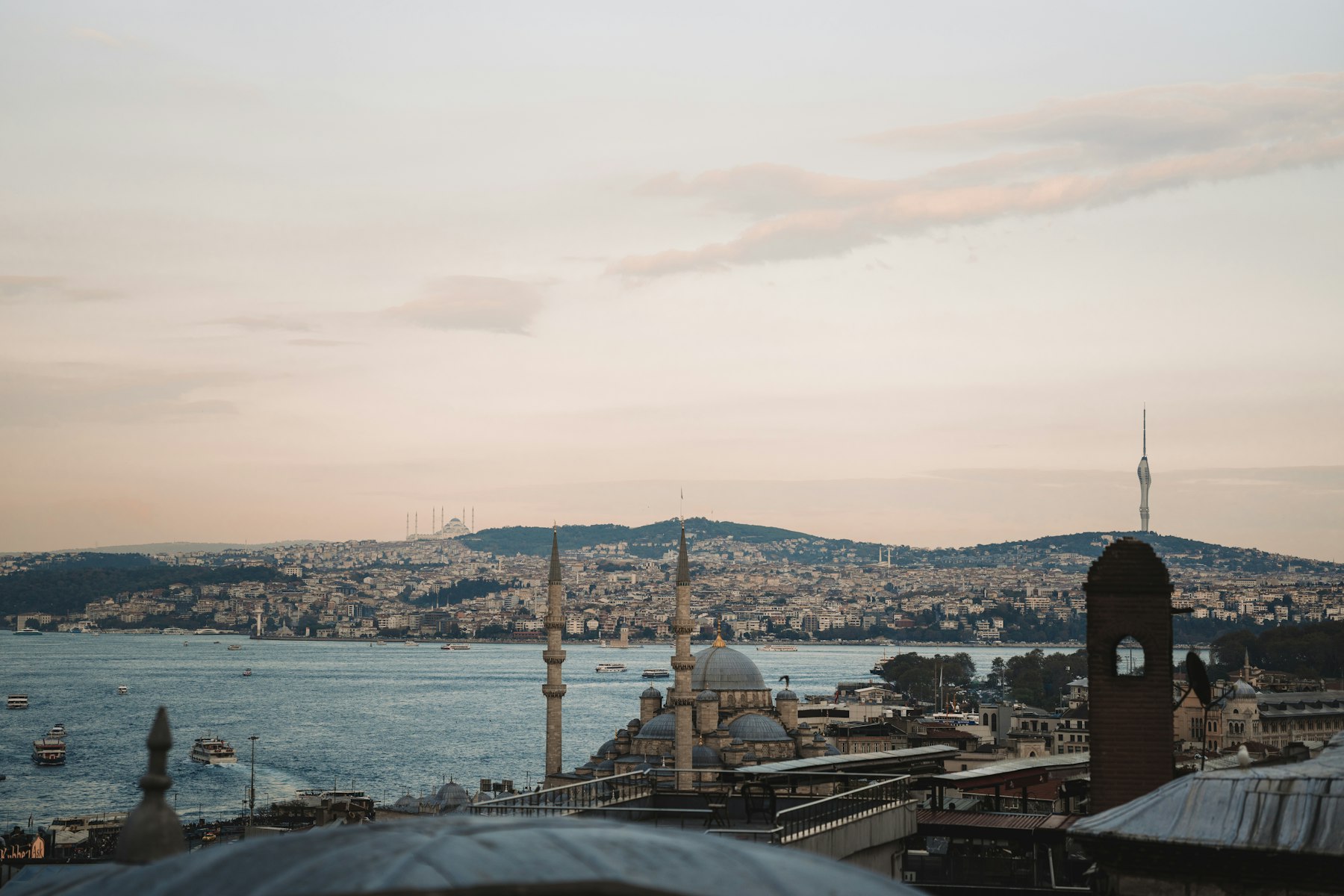
For hair transplant, Estefulya Global helps you understand which zones bother you, weigh FUE and DHI as clinical choices, and introduce you to an independent specialist. We organise the Istanbul week and stay with you through the months of growth. Diagnosis and treatment sit with that doctor.
Our office is in Fulya, Şişli, Istanbul, at Teşvikiye Mah. Hakkı Yeten Cad. No:11 D:51, Fulya Terrace Center 2. This is where we meet you and walk through the plan. The procedure takes place at the facility chosen for your case.
Photos, messages, and medical notes are shared only with Estefulya coordinators and the relevant partner medical specialists who need them for assessment and care coordination. Files are encrypted in transit and stored for that purpose. We do not sell your data. We do not use it for unrelated marketing lists. If a new specialist is added to the conversation, your coordinator should tell you why.
Across the platform, not only hair journeys, we have coordinated 5,000+ healthcare journeys, with 98% satisfaction reported in our internal follow-up, patients from 80+ countries, and 15+ years of combined healthcare experience on our team. Those figures describe the platform. They do not predict your growth month. When we match you, we look at your goals, prior scalp procedures, travel window, and the kind of case a partner specialist routinely handles. We would rather slow a match than push you toward someone whose day-to-day work does not fit the pattern you described.
Who a coordinated hair transplant journey is for, and who should wait

People who write to us about hair usually fall into a few practical groups. Some have a receding hairline. Some notice the crown first. Some have diffuse thinning on top. Some already had a transplant elsewhere and are asking about a second session. None of those stories automatically qualifies or disqualifies you. They tell us which questions to ask and which partner specialists to involve in a preliminary review.
A coordinated international journey asks more of you than a local consult. You will fly, stay in a city you may not know, and protect a freshly treated scalp away from your usual bathroom. It is a poor fit if you cannot take time off, cannot sleep on your back for a stretch, or cannot accept that early weeks include shedding. If your main need is a thick look before a wedding next month, say so early. The six to fourteen month growth window often makes that request unrealistic.
Who should wait matters as much as who should travel. If thinning is still changing quickly, a specialist may prefer to stabilize the pattern or stage work. If you have an active scalp infection, untreated dermatitis, or a condition that makes anesthesia or healing more fragile, the medical team may ask for clearance first. If you smoke or vape, say so. Nicotine can affect blood flow in the skin.
Unrealistic goals are another reason to pause. A request for a teenage hairline on a mature face, or for crown density that would empty a limited donor area, is a planning problem, not a booking problem. Estefulya does not diagnose you. Educational notes on this page are not a medical opinion about your case. Age, pregnancy, blood-thinning medicines, prior scalp surgery, and autoimmune conditions can all change timing. Hidden prior transplants or scalp tattoos are among the fastest ways for a remote review to miss a constraint.
01
Write which zone bothers you first, hairline or crown, even if both show.
02
Tell us about every prior scalp procedure, tattoo, or medical hair treatment you remember.
03
Expect a personalised preliminary assessment, not a promised graft count or a named tool.
04
Be ready to wait if active scalp disease, unstable thinning, or life timing makes travel unwise.
Process map
10 scenes
Before travel
01–05
After you fly
10
01
First message
You write on WhatsApp or through the short inquiry form on this website. Name, country, a way to reach you, and a few sentences about the hairline, the crown, or both are enough to open a file. If you already have a travel month in mind, mention it. A coordinator replies to confirm we understood and to tell you what would help next. There is no instruction to send photos before you are ready.
02
Photos and records
If a preliminary review would be useful, the coordinator explains which views help: usually the hairline from the front, both temples, the top and crown from above, and the donor area at the back and sides, taken in even light with hair combed back or slightly wet. If you had a prior transplant, send older photographs and any notes you still have. Photos travel only to coordinators and the relevant partner medical specialists. They are not sold. That is why this stage stays preliminary.
03
Coordinator review
A coordinator reads your message the way a planner reads a brief. They sort zones, prior procedures, health notes, and travel constraints. They flag missing facts rather than guessing a graft number. They prepare a clean summary for a partner specialist. If a photo is hard to read because of angle or shadow, they may ask for one more picture. This is also when we decide whether your case looks like a first-session hairline journey, a crown-focused plan, or a second session.
04
Partner specialist input for a preliminary assessment
The summary and images go to a relevant partner medical specialist in our network. That person comments on what the photos suggest, what cannot be judged remotely, and what options might be discussed in person. We turn that input into a personalised preliminary assessment written in ordinary language. It may mention the hairline, temples, or crown, and whether FUE-style placement or DHI-style placement might be talked through later. It will not read like an operating-room order or a promised graft count.
05
Questions, options, and next steps
You receive the assessment and a chance to ask follow-up questions. People often ask about stay length, whether a companion should travel, how visible shaving will be at work, and whether beard or eyebrow work can be added. We answer what belongs to coordination. The specialist answers what belongs to medicine. If the assessment suggests waiting or staging, we say that plainly. You decide whether to continue toward dates.
06
Travel dates, hotel, transfers, and interpreter
Once you want to move forward, we work backward from the care window the partner team can offer. You book your own flights in most journeys. We help you choose arrival and departure days that leave room for an exam, the procedure, a first wash if the team does that in the city, and an early check. Hotel options are usually near the partner facility or along a simple route to Fulya. Airport pickup can be arranged from Istanbul Airport (IST) or Sabiha Gokcen (SAW).
07
Arrival and office or facility flow
On arrival, a driver typically meets you at the door you were told to use. You go to the hotel first in many plans so you can wash, eat, and sleep. The next block is often a visit to the Consultation and Coordination Office, a meeting at the partner facility, or both. Bring your passport, medicine list, and copies of any records you already sent. The office visit is for orientation. The facility visit is for the specialist's exam. Those two meetings should not blur into one identity.
08
Care day: what we do and what the partner team does
On the day of the procedure we stay with you on the ground: the car, the interpreter if booked, the facility arrival time, and a way for a companion to wait. Your doctor and the facility team lead consent, extraction, placement, and the first recovery orders. If the doctor postpones because of a scalp infection or a donor limit that photos missed, we rework cars and rooms so the plan still holds.
09
Recovery window in the city
The days after placement are usually spent in Istanbul so the partner team can see the recipient area, review sleeping position, and, in many plans, supervise a first wash. Coordinators check in on comfort and whether you need a pharmacy run. We do not invent a guaranteed number of nights. Many hair transplant conversations use about three to seven nights in the city as a planning range. A longer session or a long-haul flight can stretch that range.
10
Flight home and remote follow-up
When the treating team is comfortable with you flying, we confirm transfer timing to IST or SAW and remind you about not rubbing the recipient area on the headrest. After you land at home, follow-up continues by message and photo on a schedule the specialist and coordinator agree with you. Early photos are for healing checks, not for judging final density. If something feels wrong (fever, spreading redness, pus, or swelling that worries you), you contact us and we escalate to the partner team.
Planning your visit

Stay length is the question people ask first after they understand who operates. For many FUE or DHI journeys, coordinators and partner teams talk about remaining in Istanbul for about three to seven nights. That range can cover an exam, the procedure, a first wash, and an early in-person check. It is a planning habit, not a guaranteed night count. A very large session, a second-session repair, or a long flight home can add days. Build flexibility into tickets when you can.
Time off work should cover more than the flight. The first days are about rest, a sensitive scalp, and not sleeping on the grafts. Redness and tiny scabs are common. Many people feel they can return to quiet desk work after the first week or two if a hat is allowed, but that is a range, not a promise. Camera-facing jobs, gyms, swimming, and helmets wait for the specialist's clearance. Shock loss, if it happens, can make the area look thinner before it looks fuller.
Companions are practical. A second adult helps with bags, night comfort, and the first showers when you are told not to bend or rub. Some adults travel alone and do well because transfers and check-ins are already booked. Tell us who is coming so the driver and the front desk expect the right headcount.
Istanbul has two main international airports. Istanbul Airport (IST) sits on the European side and handles many long-haul arrivals. Sabiha Gokcen (SAW) sits on the Asian side and is common for certain carriers. Transfer time depends on hour, traffic, and which side your hotel is on. We schedule pickup from the airport written on your ticket. If your inbound flight changes, send the new number as soon as you have it.
The Consultation and Coordination Office keeps weekday hours Monday to Friday, 9:00 AM to 7:00 PM, Saturday 10:00 AM to 4:00 PM, and Sunday by appointment only. After-hours emergencies go through the contact channel your coordinator gives you, then to the partner facility if the issue is medical. Coordinators work in English and, depending on who is assigned, Arabic, German, or French.
01
Button-front shirts or zip hoodies so you do not pull fabric over a treated scalp.
02
Your usual medicines in original packaging, plus a written list of doses.
03
A loose, clean hat only if the specialist later says a hat is allowed.
04
Passport and copies of prior procedure notes if you have them.
What happens after you land
The first hour in Istanbul should feel boring in a good way. A driver meets you, helps with luggage, and takes the mapped route to the hotel. If you land late, we do not drag you to an office meeting. Sleep is part of safety. If you land early and feel clear-headed, a short orientation at the coordination office can happen the same day instead.
Hotels we suggest are chosen for a quiet room, a reliable front desk, and a car time that makes sense for the partner facility. You are not required to take the first option. We separate hotel billing from medical billing so you can see which invoice is which. Room service after the procedure is often easier than restaurant stairs when you are told not to bend. If a room is too noisy, we treat that as a coordination problem and look for a change.
Interpreter support, when booked, is for medical conversations: consent, the exam of the donor and recipient areas, and the first aftercare talk. The interpreter is not a tour guide and is not a decision-maker. Coordinators also translate plans into ordinary language after the visit, so you leave with a written sense of what was said about washing, sleeping, and medicines.
Facility visits follow the partner hospital or surgery center's rules. You will show identification, meet nursing staff, and sit for the specialist. That exam is when hair caliber, donor density, and the true shape of the hairline are judged in person. Estefulya staff may wait in a lobby or join an agreed portion of the conversation. We do not stand at the table during sterile preparation. After the procedure, early check-ins are usually short: look at the recipient area and confirm the next wash or review.
Aftercare in the city mixes medical visits and ordinary support. Someone may need extra pillows or a pharmacy that is still open. We would rather you send a photo to the agreed channel than guess. If the specialist wants you to come in, we move the car. The last in-person visit before a typical home flight is when travel fitness is discussed. That conversation belongs to the treating team. We then lock the airport run.
01
Pickup
A transfer from IST or SAW, timed to your landing.
02
Hotel
A stay near the partner facility, not a random listing.
03
Interpreter
Language support when the medical conversation needs it.
04
Check-ins
Coordinator contact while the partner team delivers care.
Results you should judge on a long clock
Days
Swelling, scabs, or early change. Not the result.
Weeks
Social comfort starts to return. Photos still lie.
Months
The window used to judge healing and growth.
A hair transplant result is not the scalp you see when the first bandage comes off. It is the density and the hairline you live with after transplanted follicles have cycled through shedding and new growth. That clock is slow and uneven. The hairline often shows early cosmetic change before the crown does. The crown can stay see-through longer because the swirl reveals scalp from more directions. Heat, a tight hat worn too soon, or a night of poor sleep can puff the same skin that looked calmer the morning before. That bounce is common. It is not proof that the grafts failed. Ask the treating team which week they want you to judge coverage, and keep that date written down.
Honest ranges help more than slogans. In the first days you should expect redness, tightness, and tiny scabs. Many people feel that the most obvious scabs have loosened by the second week if they follow the wash plan, yet the area can still look pink or thin. Shock loss, if it occurs, often shows in the first one to two months. Around three to four months, a large share of people begin to see fine new hairs. Between six and nine months, coverage often looks more even. Between six and fourteen months, shafts can still thicken and the crown can still fill. None of these marks is a guarantee.
How you care for the scalp in the first months also affects what you later call the result. Sleeping position, sun, sweat, helmets, and picking at scabs can all change the early picture. Coordinators will repeat the partner team's rules in writing so you are not relying on memory from a groggy afternoon. Medical therapy you already use is a specialist conversation. We do not add a product list to this page. We do not publish named case studies or promised graft counts beside a photograph.
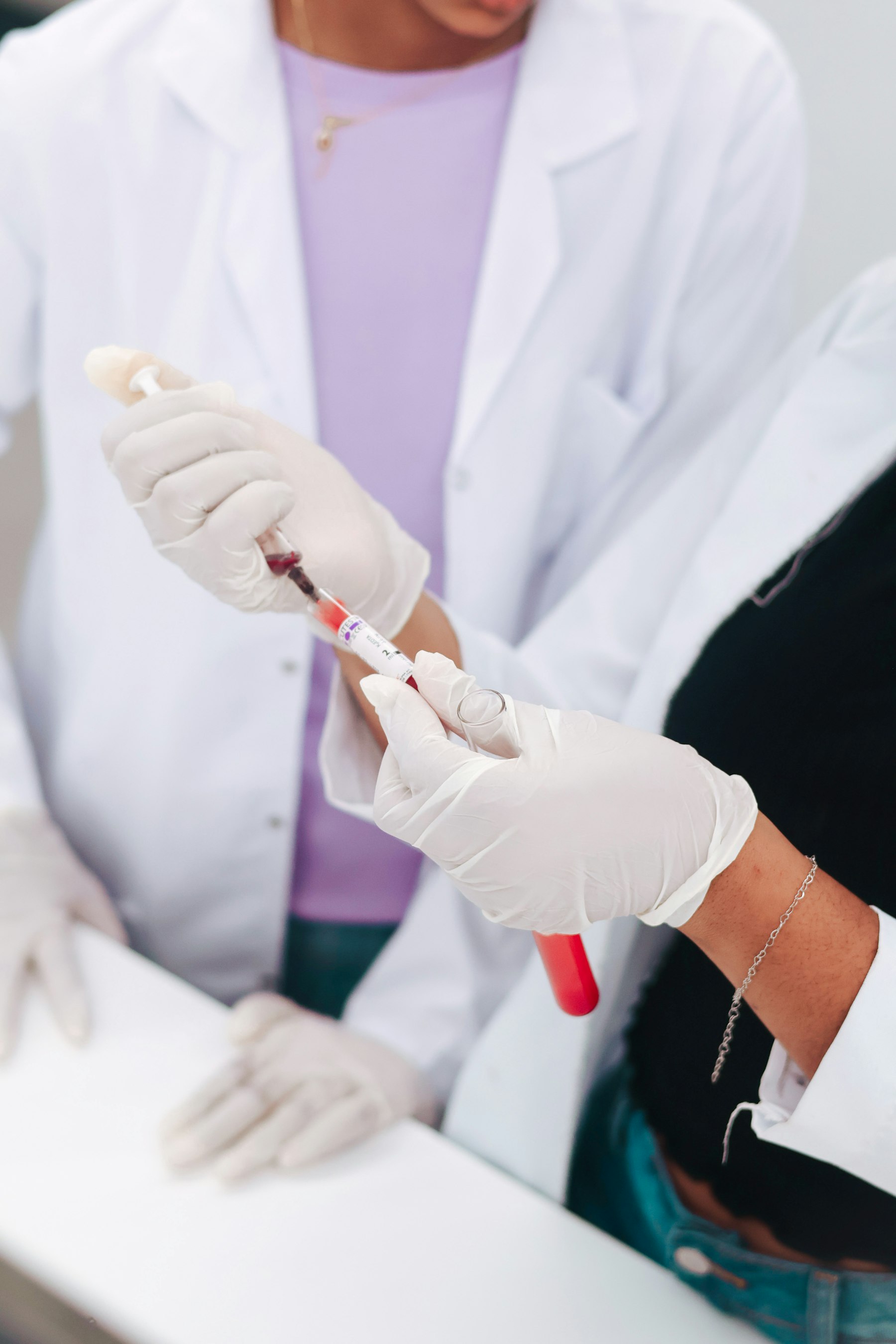
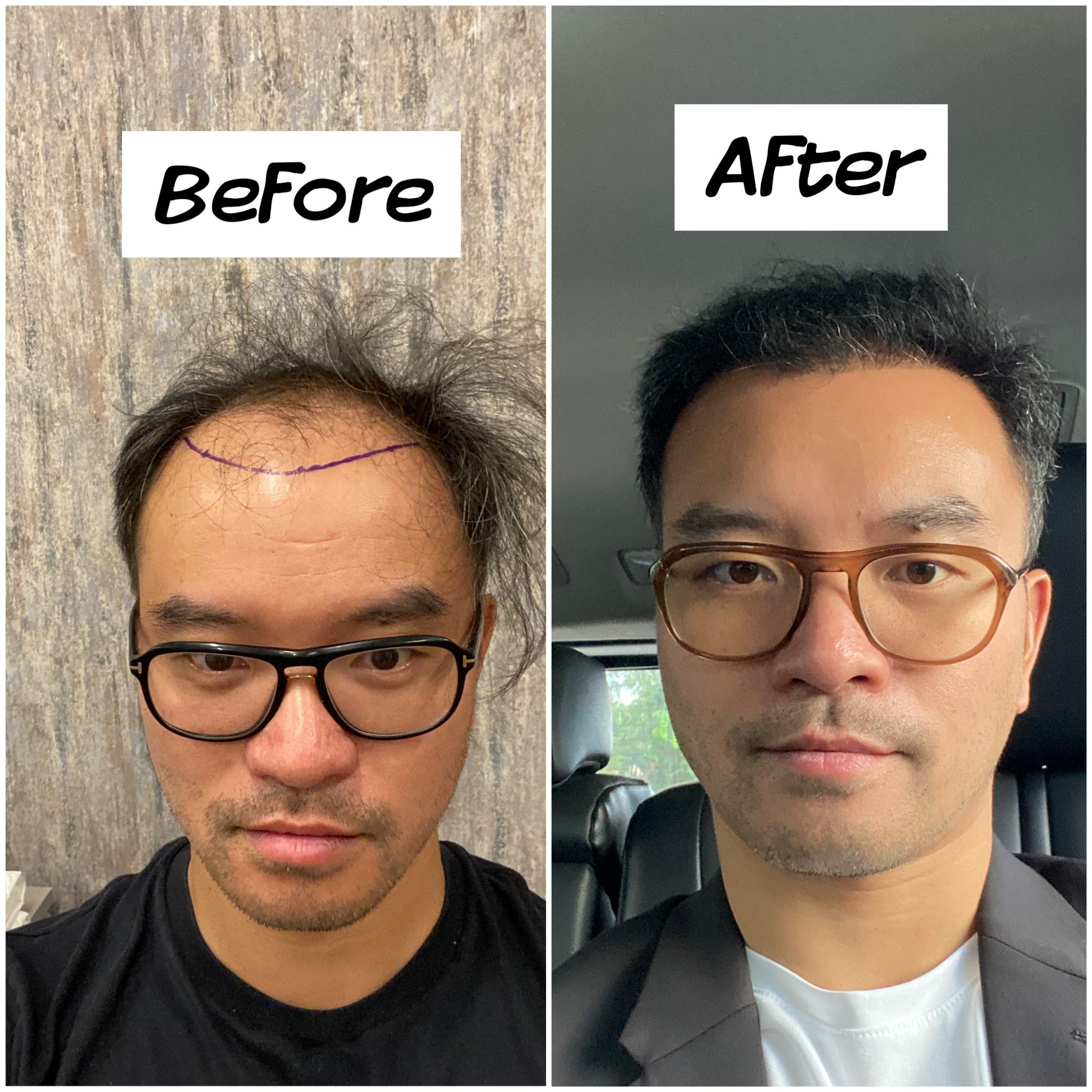
This article does not show hair before-and-after pairs. We do not have approved hair comparison sets for editorial use, and we will not invent them. The images here are process pictures: planning, travel support, and follow-up. Individual results vary. Timeframe varies. Judge your own progress against the calendar the treating team gave you, not against a stranger's social post.
Safety, privacy, and responsibilities
Estefulya Global
Navigation and coordination
We help you understand your options, introduce the right independent specialist and facility, plan the journey, and stay with you after you return home.
Your doctor
Diagnosis and treatment
Diagnosis, consent, technique, and medical aftercare belong to your doctor and the treating facility.

Clinical responsibility sits with the partner medical specialist and the partner facility. They decide whether you are a candidate after an in-person exam, whether FUE-style placement, DHI-style placement, or a staged plan is appropriate, how numbing is handled, and what you must do after you leave the building. Estefulya Global does not write those orders. We make sure you can reach the people who do, and that travel does not quietly fight the medical plan. If a safety concern appears (a fever, spreading redness, pus, or swelling that worries the treating team), we treat it as urgent coordination: contact the treating team, move a car, delay a flight if they ask.
Every procedure carries risk. Hair transplant risks include bleeding, infection, poor growth, an unnatural hairline, visible donor thinning from overharvest, shock loss of native hair, numbness, and a cosmetic result that does not match what you hoped. A second session can carry extra constraints because donor supply is finite. Anesthesia or local numbing has its own risks, which the facility team should explain before you sign. Percentages on a webpage cannot describe your case. Your specialist should talk in the language of your case, including what would stop the plan on the day.
Privacy is part of safety. Photos of your scalp and face are identifiable. We share them only with coordinators and the relevant partner medical specialists for assessment and care coordination. Transfer is encrypted. Storage is limited to that purpose. We do not sell images. We do not post your face or your hairline. The partner facility will have its own medical-record rules, which we cannot override. Tell the truth about prior transplants, scalp tattoos, medicines, and smoking. Follow the facility's wash and medicine instructions. If someone sounds as if Estefulya will operate, stop and ask us to restate who does what.
Costs and what a quote can include

There is no honest public price list that fits every hair transplant. Session size, hairline versus crown emphasis, FUE or DHI placement, whether a second session is already likely, facility type, and how many nights you stay in a hotel all move the number. Anyone offering a single figure before photos, history, and a specialist's view is guessing. We wait for a personalised preliminary assessment and a partner plan, then we explain the quote in parts you can read. We share a labelled quote once a partner plan exists.
A coordination quote usually covers the planning work: matching, itinerary, airport transfers that we arrange, interpreter time if booked through us, and follow-up messaging after you go home. The medical quote from the partner side usually covers the specialist, the facility, and the procedure as they define those lines. The hotel is often a separate invoice. Flights are almost always yours. Extra nights, companion meals, and medicines you buy at a pharmacy are typically extra. If a line is unclear, ask us to label it as medical, facility, hotel, or coordination before you pay that line.
Quotes can change if the in-person exam shows a weaker donor area than the photos suggested, or if you add an optional beard or eyebrow path that was not in the first note. We would rather send an updated breakdown than hide a surprise in a bundle name. Payment timing follows the partner facility's rules and our coordination terms, which your coordinator will put in writing. Insurance coverage for international elective hair work is uncommon. We do not promise reimbursement.
Pricing follows assessment and the partner plan. We share a labelled quote once that plan exists.
A quote can discuss
Partner facility and specialist plan
Coordination and transfers
Hotel options near care
Interpreter when needed
Do you operate, or is the Fulya office a hospital?
You meet us at our Fulya office to talk the plan through. The procedure takes place with the independent specialist and facility you are matched with. We help you weigh hair transplant options, organise travel, and stay with you through the growth months after you fly home.
Who performs the hair transplant?
Your doctor, at the facility we help you choose. Diagnosis, extraction, placement, and medical aftercare are that doctor's responsibility. Estefulya helps you reach that decision, prepares the file, and stays with you through the week and the months of growth. Use the in-person consult to ask the questions only the treating doctor can answer.
What is the difference between FUE and DHI?
Follicular unit extraction (FUE) means grafts are taken one by one from the donor area, then placed into recipient sites that were opened first. Direct hair implantation (DHI) still uses grafts from a donor area. The usual difference is placement: an implanter pen can open the skin and seat the graft in one motion. DHI is not a different kind of hair and it does not automatically mean more density or a no-shave plan. The partner specialist chooses the method after examining you. A personalised preliminary assessment may mention both as options to discuss in person.
What is shock loss, and does it mean the transplant failed?
Shock loss is temporary shedding of transplanted hairs, and sometimes of nearby native hairs, in the weeks after the procedure. The follicle is meant to remain. The visible shaft often falls. It is a common phase, not a verdict. New growth is judged later, usually across a six to fourteen month window. If shedding is sudden, painful, or paired with pus or fever, that is a medical question for the treating team, not something to diagnose from a social post. Tell us what you see and we will help you reach the partner specialist.
When will I see growth after a hair transplant?
Most conversations use a long clock. The first weeks are about healing, scabs, and redness. Shock loss, if it happens, can make the area look thinner before it looks fuller. Fine new hairs are often discussed around the third or fourth month. Fuller cosmetic density is often talked about between six and nine months. Hair can still mature through twelve to fourteen months, especially at the crown. Those marks are ranges, not promises. Early photos are for safety, not for judging the final hairline.
Which scalp photos help a personalised preliminary assessment?
A useful set is usually the hairline from the front, both temples, the top and crown from above, and the donor area at the back and both sides. Comb hair back or wet it slightly so the scalp shows. Use even light, no filter, and no hat. Those views help a specialist see pattern and contrast. They cannot replace an in-person density check. Photos are shared only with coordinators and the relevant partner medical specialists, encrypted, and never sold. They support a preliminary assessment, not a surgical recommendation or a promised graft count.
How long do people usually stay in Istanbul?
Many hair transplant plans are discussed as about three to seven nights in the city so the specialist can see you before the procedure, after placement, and often for a first wash. That is a planning range, not a guaranteed number of nights. A long session, a second-session repair, or a long-haul flight can add time. You book flights with some flexibility when you can. We align hotel and transfers to the window the partner team recommends. Pickup is planned from Istanbul Airport (IST) or Sabiha Gokcen (SAW). Flying home the same evening is usually too soon.
What follow-up do I get after I fly home?
The relationship continues after you fly. Your coordinator stays available through the growth months, and we keep the treating specialist in the loop. You send questions and, when asked, healing photos on an agreed schedule. Early images are for redness, scabs, and comfort, not for judging final density. If something feels wrong, you contact us so we can reach the treating team quickly.
How are costs decided if there is no public price list?
Pricing follows the assessment and the partner plan. Hairline versus crown work, session scale, FUE or DHI placement, facility time, hotel nights, and whether an interpreter is booked all change the total. We break quotes into coordination, medical and facility, and hotel lines when those are billed separately. Flights are usually yours. Extra nights and pharmacy items are typically extra. If the in-person exam changes the plan, we send an updated breakdown. We share a labelled quote once a partner plan exists, without a promised graft price.
How do I start a hair transplant conversation?
Send a WhatsApp message or complete the same short inquiry form used on this website. Share your name, country, and which zones bother you in plain sentences. Photos are welcome later if a preliminary assessment would help. There is no photo-upload funnel on this page and no instruction to send a set of images before you have read how they are used. A coordinator will reply with the next useful step. That is enough to begin. You are not booking a procedure by filling the form.
What is a personalised preliminary assessment?
It is a written planning note based on your goals, your history, and, when useful, scalp photos or records. A coordinator prepares the file. A relevant partner specialist may add comments on what the images suggest and what must wait for an exam. The note is not a surgical recommendation, not a booking, and not a promise of a graft count or a named technique. It exists so you can decide whether to travel and what to ask next. After you arrive, the plan can change because donor density is clearer in the room than on a screen.
Do you coordinate beard or eyebrow transplants as well?
We can discuss those as optional related paths when you ask for them. They use the same graft idea and different direction rules. They are not the default plan in a scalp journey and they are not the focus of this article. Mention beard fill or eyebrow restoration in your first message if they matter so we do not treat them as an afterthought on care day. The partner specialist still decides in person whether donor supply and facial skin make that extra work wise in the same trip.
Address
Teşvikiye Mah. Hakkı Yeten Cad. No:11 D:51 Fulya Terrace Center 2
Şişli, Istanbul
Hours
Monday - Friday: 9:00 AM - 7:00 PM
Saturday: 10:00 AM - 4:00 PM
Sunday: By appointment only
- RhinoplastyIf you are considering rhinoplasty in Istanbul, we help you understand the options, introduce you to a facial specialist who fits the case, and stay with you after you fly home.
- Longevity & Healthy AgeingHealthy ageing starts with your current health picture. We help you see which specialists and supports actually belong, then stay in touch after the week in Istanbul.

